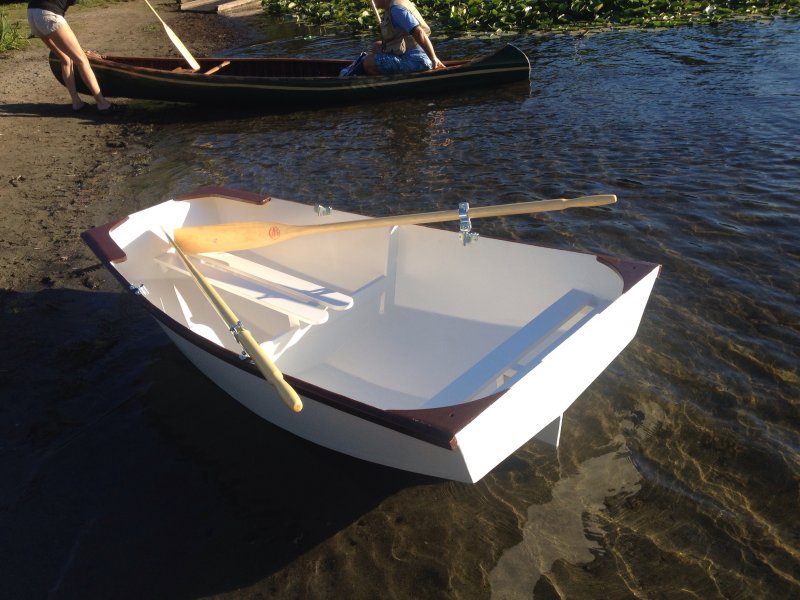
Dinghy Plans for a Compact and Sturdy Boat: Your Guide to Building a Reliable Craft
Are you ready to embark on a thrilling adventure of building your own dinghy? The allure of crafting a reliable watercraft from scratch is undeniable. This guide will provide you with essential insights and detailed dinghy plans, empowering you to construct a compact and sturdy boat that will serve you well for years to come.
Choosing the Right Dinghy Plans
The first step in your dinghy building journey is to select the perfect plans. Consider factors like the intended use, desired size, and your skill level. Do you envision a boat for leisurely paddling around a lake or navigating challenging waters? The plans you choose will directly influence the boat's performance, stability, and overall functionality.
Key Considerations for Dinghy Plans:
- Size and Capacity: Determine the number of people and the amount of gear you plan to carry.
- Hull Shape and Design: Choose a hull shape that matches your intended use. For calm waters, a flat-bottomed dinghy might suffice. For rougher conditions, a V-shaped hull offers greater stability and seaworthiness.
- Construction Materials: Opt for materials that suit your budget and skill level. Plywood, fiberglass, and aluminum are common choices.
- Construction Method: Some plans call for traditional stitch-and-glue techniques, while others involve more advanced methods.
Crafting a Sturdy Dinghy: Detailed Construction Steps
Once you've secured your plans, it's time to gather the necessary tools and materials. Building a dinghy requires patience and meticulous attention to detail. Follow these steps to ensure a solid and reliable craft:
Step 1: Cutting and Shaping the Hull
Begin by carefully cutting the plywood or other chosen material to the dimensions specified in the plans. Use a jigsaw or other suitable tool to create accurate cuts. Pay close attention to the angles and curves for a precise hull shape.
Step 2: Joining the Hull Panels
Adhere the hull panels together using marine-grade epoxy or other recommended adhesive. If you're employing the stitch-and-glue method, use a drill to create holes for the stitching wire.
Step 3: Creating the Deck and Transom
Next, build the deck and transom. These elements will provide structural support and define the boat's overall shape. Follow the plan's instructions for assembling these sections.
Step 4: Adding Structural Reinforcement
To enhance the dinghy's strength and rigidity, incorporate structural reinforcements like stringers, frames, and bulkheads. These components help distribute weight and provide stability.
Step 5: Finishing Touches
After assembling the primary components, focus on the finishing touches. Sand the hull, apply a primer, and then paint it in your chosen color. You can also add accents like oarlocks, cleats, and a seat for greater functionality.
Tips for Building a Durable Dinghy
- Use High-Quality Materials: Invest in durable, marine-grade materials like plywood, fiberglass, or aluminum for long-lasting performance.
- Ensure Proper Joint Bonding: Use epoxy or marine adhesive to create strong, waterproof connections between the hull panels and other structural components.
- Apply Protective Coatings: Protect your dinghy from the elements by applying a primer and topcoat.
- Follow the Plans Precisely: Stick to the blueprints for accurate dimensions and construction techniques.
Embark on Your Dinghy Building Adventure
Building a dinghy is a rewarding project that requires skill, dedication, and a love for the water. By following these detailed plans and tips, you can confidently craft a compact and sturdy boat that will be your reliable companion for years to come. Embrace the challenge, learn from each step, and enjoy the satisfaction of creating your own custom watercraft.
Note: Only a member of this blog may post a comment.