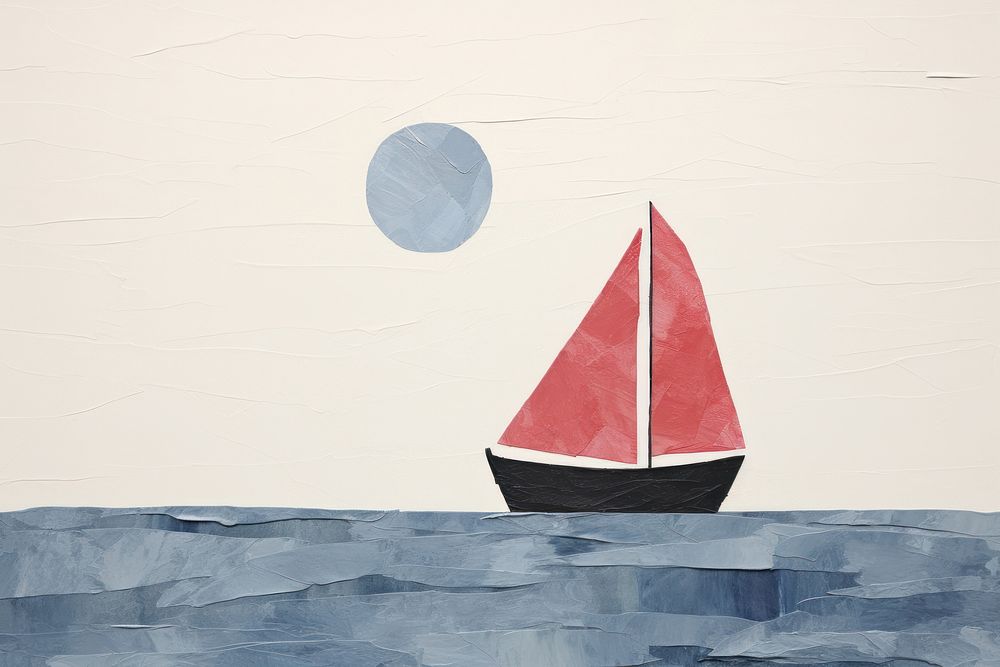
Free Boat Plans: Uncharted Waters of Floating Art
The internet is awash with free boat plans, promising DIY nautical adventures. But what if we shifted the focus? What if, instead of building functional vessels, we used these plans as springboards for creating unique, floating works of art? This article explores this less-trodden path, offering fresh perspectives for hobbyists, educators, and craftspeople alike.
Beyond Functionality: The Artistic Potential of Free Boat Plans
Most free boat plans are geared towards creating seaworthy craft. But what happens when we deliberately subvert their intended purpose? We can use the skeletal structures as a base for something entirely newâ€"a dynamic sculpture interacting with its aquatic environment. This opens up a world of possibilities, from minimalist designs to elaborate, bioluminescent installations. The key is to see the plans not as rigid blueprints, but as flexible starting points for creative exploration.
Q&A: Re-Imagining Boat Plans for Art
Let’s tackle some common questions and explore unconventional answers:
Q: Aren’t free boat plans too simplistic for artistic expression?
A: Simplicity can be a powerful tool. Minimalist boat designs, stripped down to their essential forms, can create compelling visual statements. Consider using unconventional materialsâ€"recycled plastics, found objectsâ€"to further enhance the artistic impact. The limitations imposed by the plan can actually fuel creative problem-solving. Think of it as a constraint-based art project.
Q: What about the structural integrity? Won't altering the plans compromise safety?
A: Absolutely. Safety should always be paramount. However, the goal isn't to create a navigable vessel. Modifications should prioritize aesthetic impact without jeopardizing stability on water. Consider adding ballast, using robust non-structural materials for embellishments, and seeking guidance from engineers or experienced boat builders if needed.
Q: How can educational institutions leverage this concept?
A: This approach offers incredible interdisciplinary opportunities. Art, engineering, environmental science, and even history (exploring traditional boat-building techniques) can be seamlessly integrated. Students can design, build, and install floating art installations, learning valuable skills and contributing to community beautification projects. Imagine a collaborative project where each student crafts a modular component that combines to form a larger, unified artwork.
Case Studies: Floating Art in Action
While extensive documentation on using free boat plans for art is scant (a testament to the novelty of the idea!), we can draw inspiration from existing floating art installations.
Example 1: Imagine a repurposed dinghy plan transformed into a kinetic sculpture. Simple additions like wind-powered rotating elements or subtle lighting could create a captivating interplay of movement and light on the water.
Example 2: A larger boat hull, built based on a free plan, could become a floating garden, populated with aquatic plants and integrated with sustainable water filtration systems. This would add an ecological layer to the artistic statement, engaging with environmental concerns.
Materials and Techniques: Expanding the Palette
The beauty of this approach lies in the freedom to experiment. Beyond traditional wood, consider:
The Future of Floating Art
This is not simply about building pretty things; it's about exploring the intersection of art, engineering, and environmental consciousness. As access to free boat plans and digital fabrication technologies increases, we can anticipate a surge in innovative and eco-conscious floating art installations. This nascent field is ripe with opportunities for creative exploration, pushing the boundaries of what's possible and offering a unique lens through which to view the relationship between art and the natural world.
Note: Only a member of this blog may post a comment.