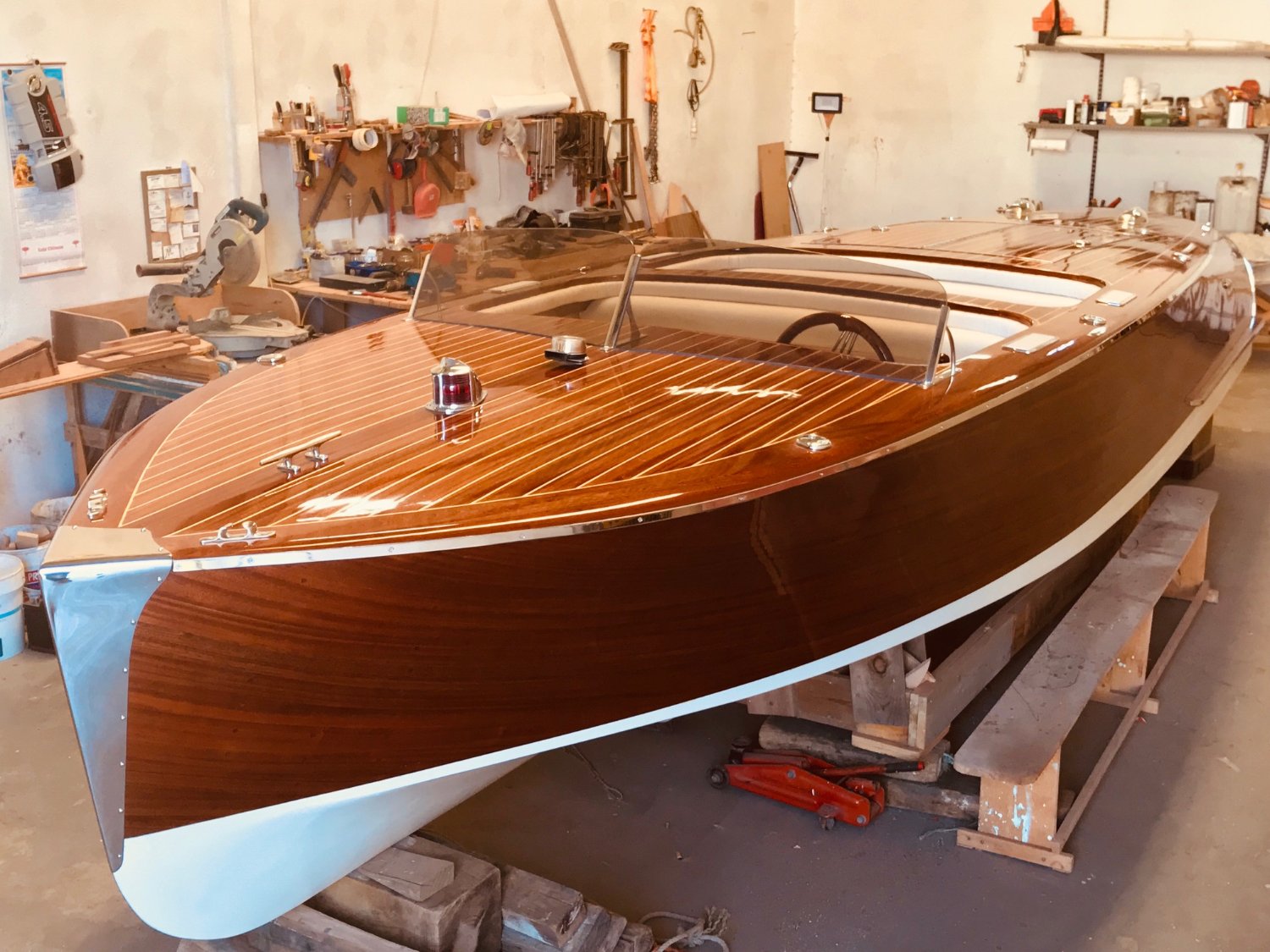
Customizing Wooden Boat Plans for a Unique Design
Building a wooden boat is a labor of love, and the desire to create a truly unique vessel often motivates boat builders. While countless pre-designed plans exist, many builders seek to personalize their projects by customizing these plans. This article explores the process of adapting pre-existing boat plans to create a distinctive and personalized craft.
Understanding Boat Design Principles
Before embarking on any modifications, it's crucial to grasp fundamental boat design principles. These principles govern a boat's stability, buoyancy, and overall performance. A thorough understanding of these concepts will ensure that your modifications enhance, rather than detract from, the original design.
Buoyancy and Displacement
A boat floats due to buoyancy, the upward force exerted by a fluid (water) on a submerged object. This force is equal to the weight of the water displaced by the boat. Modifying the hull shape or adding features can change the displacement, which in turn affects buoyancy and stability.
Stability
A boat's stability is its ability to return to an upright position after being tilted. This depends on factors like hull shape, center of gravity, and center of buoyancy. Altering the hull's width or adding a keel can impact the boat's stability, making it more or less resistant to tipping.
Performance
A boat's performance is measured by its speed, maneuverability, and efficiency. Factors such as hull shape, length-to-beam ratio, and sail area all contribute to performance. Modifying these aspects can affect how the boat handles in the water.
Assessing and Selecting Boat Plans
The first step in customizing boat plans is selecting a suitable base design. Consider your intended use, desired size, and overall aesthetic preferences. A good starting point is to browse online databases and boat plan providers, taking note of the plans' specifications and features.
Once you've identified a plan that aligns with your vision, carefully review its documentation. Pay attention to the following:
- Scale and Dimensions: Ensure the plan's scale and dimensions are clear and accurate.
- Construction Details: Analyze the construction methods, materials, and joinery techniques employed in the design.
- Performance Characteristics: Familiarize yourself with the boat's anticipated speed, stability, and handling characteristics.
Types of Customization
There are various ways to customize boat plans, ranging from subtle adjustments to significant alterations. Common approaches include:
Length and Beam Adjustments
Modifying the overall length and beam can significantly alter a boat's appearance and performance. Lengthening the hull increases the boat's carrying capacity and potentially improves its speed. Widening the beam can enhance stability and increase the interior space. However, such modifications should be carefully calculated to maintain the boat's structural integrity.
Hull Shape Modifications
Modifying the hull shape can impact the boat's stability, performance, and aesthetics. Adding a keel or changing the shape of the bow or stern can alter the boat's handling and appearance. Ensure that any modifications are consistent with the original design principles and don't compromise the boat's structural soundness.
Adding or Removing Features
You can personalize a boat's functionality and aesthetic appeal by adding or removing features. This can include incorporating a transom for mounting an outboard motor, adding a cabin for shelter, or modifying the cockpit layout to suit your preferences.
Aesthetic Customization
Beyond structural and functional modifications, you can enhance a boat's visual appeal through aesthetic customization. This can involve selecting different wood species for the hull and deck, incorporating decorative trim, or applying a custom paint scheme.
Implementing Modifications
Once you've conceptualized your modifications, it's time to put them into practice. The implementation process involves:
Drafting and Redrawing
Use computer-aided design (CAD) software or traditional drafting techniques to redraw the modified plans. This step ensures that all changes are accurately reflected in the final design.
Calculating and Adjusting Measurements
Carefully calculate any changes in measurements resulting from your modifications. Adjust the original plan's dimensions to accommodate these alterations.
Consulting Experts
If you're making significant changes, consider seeking advice from experienced boat builders or naval architects. Their expertise can help you avoid potential pitfalls and ensure that your modifications are sound from both an engineering and aesthetic perspective.
Safety and Structural Considerations
When customizing boat plans, safety and structural integrity should always be top priorities. Ensure that your modifications don't compromise the boat's stability, buoyancy, and overall strength.
Stress Points and Load Distribution
Identify potential stress points in the hull and deck structure, particularly where modifications are being made. Ensure that the load distribution remains balanced and that the new design adequately supports the intended use.
Materials and Construction Techniques
Select materials that are appropriate for the intended purpose and match the original construction techniques employed in the plan. Use high-quality wood and fastenings to ensure a strong and durable structure.
Building and Refinement
With the customized plans in hand, you can begin the construction process. As you build, you'll likely discover opportunities for further refinement and adaptation. Embrace this process and don't be afraid to adjust your plans based on your experience and the evolving nature of your project.
Documenting Your Work
Throughout the process, keep meticulous records of your modifications and construction techniques. This documentation will serve as a valuable reference for future repairs and maintenance, as well as a record of your unique boat-building journey.
Conclusion
Customizing wooden boat plans allows you to create a truly one-of-a-kind vessel that reflects your vision and craftsmanship. By understanding boat design principles, carefully planning your modifications, and adhering to safety and structural considerations, you can embark on a rewarding and fulfilling boat-building experience. Remember to embrace the iterative nature of the process and allow your unique design to evolve organically as you bring your dream boat to life.
Note: Only a member of this blog may post a comment.