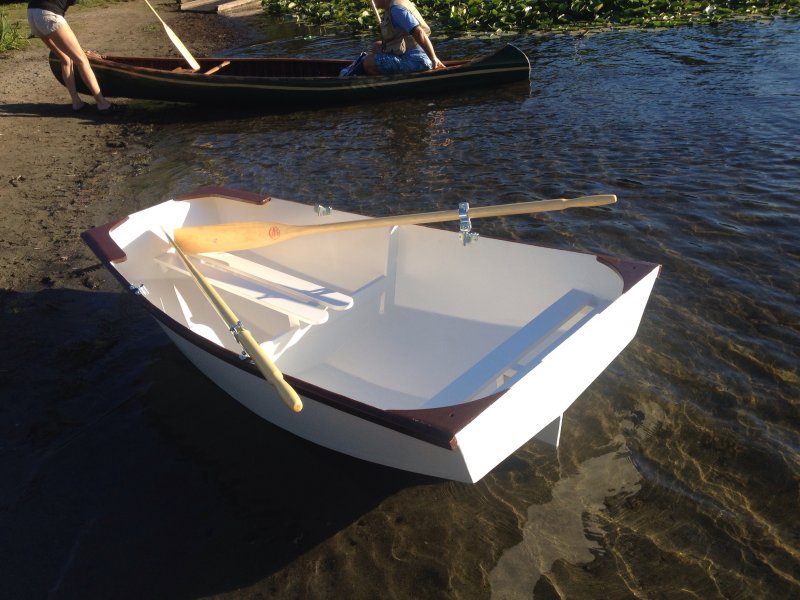
Building Your Own Wooden Dinghy: A Journey of Craftsmanship
Ah, the allure of a wooden dinghy. There's something timeless and romantic about these graceful little boats, gliding effortlessly across the water. But beyond the aesthetics, a wooden dinghy is a testament to craftsmanship, a tangible expression of skill and dedication. And the best part? You can build one yourself!
This guide is for anyone who's ever dreamed of building their own boat. We'll walk you through the entire process, from selecting the right plans to mastering the art of woodworking. Get ready for a journey of discovery, a voyage into the world of wooden boatbuilding, and a chance to create something truly special.
Choosing the Right Wooden Dinghy Plans
The first step is finding the perfect plans for your dream dinghy. There are countless options available, ranging from simple designs ideal for beginners to more intricate builds for experienced boatbuilders. Here are some key factors to consider:
Boat Length and Purpose
The length of your dinghy will determine its stability, carrying capacity, and ease of rowing. Smaller dinghies are ideal for solo paddling or short trips, while larger ones can comfortably carry multiple people and gear.
Think about how you plan to use the dinghy:
- Fishing
- Day trips
- Racing
- Tender for a larger vessel
The intended purpose will help you narrow down your choices and find plans that best suit your needs.
Construction Method
Wooden boatbuilding encompasses a variety of construction methods. Some popular options include:
- Planking: This traditional method involves attaching thin planks of wood to a frame to create the hull. It requires meticulous attention to detail and careful shaping.
- Strip Planking: This method involves overlapping strips of wood to form the hull, creating a smooth, watertight surface. It's often preferred for its strength and ease of construction.
- Plywood Construction: Using pre-cut plywood sheets can significantly speed up the building process. This method is popular for beginners, but it may require more complex cutting and assembly.
The choice of construction method should be based on your experience level, available tools, and desired aesthetics.
Design Style
Wooden dinghies come in a variety of design styles, each with its unique characteristics and appeal. Some popular styles include:
- Classic Dinghy: These timeless designs feature a graceful, rounded hull and often have a small, pointed bow. They are known for their elegance and smooth sailing.
- Workboat Dinghy: These dinghies prioritize practicality and functionality. They are typically sturdier and more stable, making them ideal for carrying heavy loads or navigating rough waters.
- Modern Dinghy: These designs often incorporate innovative features and construction techniques, resulting in lightweight, high-performance boats.
Consider the style that best reflects your preferences and complements your intended use.
Finding Your Plans: Where to Look
With a clear idea of the type of dinghy you're looking for, it's time to find the right plans. There are several great resources available online and offline:
Online Resources
- WoodenBoat Magazine: This magazine offers a wealth of information on wooden boatbuilding, including detailed plans and articles from experienced boatbuilders.
- Boatbuilding Forums: Online forums dedicated to boatbuilding are a great place to find plans, connect with other builders, and ask questions.
- Boatbuilding Websites: Numerous websites specialize in offering boat plans, including those specifically designed for dinghies.
Offline Resources
- Bookstores: Browse books dedicated to wooden boatbuilding, which often include plans and detailed instructions.
- Boatbuilding Supply Stores: These stores often carry a selection of plans and can offer advice on choosing the right ones.
- Boatbuilding Classes: Taking a boatbuilding class can provide you with hands-on experience and access to professional guidance.
Understanding the Plans: A Deeper Dive
Once you've chosen your plans, it's crucial to understand the details and terminology. Most boat plans will include the following sections:
Lines Plan
This plan shows the shape of the boat from different angles, including:
- Waterline: This line represents the boat's profile at the waterline.
- Buttock Lines: These lines show the boat's shape in profile, perpendicular to the waterline.
- Half-Breadth Plans: These plans depict the boat's shape in cross-section.
The lines plan provides a visual representation of the boat's overall design and dimensions.
Construction Drawings
Construction drawings provide detailed instructions for building the boat, including:
- Frame Plans: These plans show the layout and dimensions of the boat's frame.
- Planking Diagrams: These diagrams illustrate the placement and shaping of the planks.
- Moulding Plans: These plans show the shape and dimensions of the boat's moulds, which are used to shape the planks.
Construction drawings are essential for accurately building the boat and ensuring it meets the desired specifications.
Material Lists
Material lists provide a comprehensive inventory of the wood, hardware, and other materials needed for construction. The list typically includes:
- Wood Type and Dimensions: This includes the species of wood, the thickness, and the length of each piece required.
- Hardware: This list includes fasteners, hinges, cleats, and other hardware needed for the boat's assembly.
- Finishing Materials: This includes paint, varnish, and other finishing materials used to protect and enhance the boat's appearance.
Having a complete material list before you start building is crucial for ensuring you have all the necessary components on hand.
Gather Your Tools: A Carpenter's Arsenal
To embark on your boatbuilding journey, you'll need a collection of tools. Here are some essential tools for wooden dinghy construction:
- Hand Tools: Hammers, chisels, planes, saws, screwdrivers, clamps, and measuring tools.
- Power Tools: Circular saw, jigsaw, drill, sander, and router.
- Boatbuilding Specific Tools: Moulds, steaming equipment, planing tables, and bending tools.
The specific tools you'll need will depend on the chosen construction method and the complexity of the plans. Some tools can be rented, while others may require purchase.
The Building Process: Step by Step
With your plans, tools, and materials in hand, you're ready to start building your wooden dinghy! The actual building process will vary depending on the chosen construction method, but here's a general outline:
Step 1: Preparing the Frame
The frame provides the structural foundation for the boat. It typically consists of ribs, keel, stem, and transom. The frame is often assembled using traditional mortise and tenon joinery, but other methods may be employed, depending on the plan.
Step 2: Planking the Hull
This involves attaching planks of wood to the frame to create the boat's hull. The planking is often done in a specific pattern, with each plank overlapping the one before it. The planks are carefully shaped and fitted to ensure a smooth, watertight surface.
Step 3: Adding Decks and Superstructure
Once the hull is complete, decks and any other superstructure are added, as specified by the plans. This may involve building the cockpit, seats, and other features.
Step 4: Finishing the Boat
The final step involves sanding, painting, and varnishing the boat to protect it from the elements and enhance its appearance. This includes applying a sealant to ensure the hull remains watertight.
Launching Your Dream: A Moment of Triumph
After months of dedicated work, the moment you've been waiting for arrives: launching your very own wooden dinghy! This is a moment of immense satisfaction, a testament to your hard work and craftsmanship.
As your dinghy gracefully glides across the water, you'll be filled with a sense of accomplishment and a deep appreciation for the art of wooden boatbuilding. You've created not just a boat, but a piece of history, a legacy that will be enjoyed for years to come.
Commonly Asked Questions
How much does it cost to build a wooden dinghy?
The cost of building a wooden dinghy can vary significantly depending on the size, complexity, and quality of materials used. On average, expect to spend between $1,000 and $5,000. You can potentially save money by using salvaged materials or by purchasing plans that require less expensive wood.
How long does it take to build a wooden dinghy?
The construction time depends on the chosen design, your skill level, and the amount of time you're willing to dedicate to the project. A simple dinghy can be built in a few months, while a more complex design might take a year or longer.
What are the benefits of building a wooden dinghy?
Building a wooden dinghy is a rewarding experience that offers numerous benefits:
- Craftsmanship: It's an opportunity to learn traditional woodworking skills and create a beautiful, handcrafted boat.
- Pride of Ownership: You'll have the satisfaction of knowing you built the boat from scratch.
- Unique Design: You can customize the design to meet your specific needs and preferences.
- Durability: Properly built wooden dinghies can last for decades, offering years of enjoyment.
Do I need any prior boatbuilding experience?
While some prior experience is helpful, it's not essential. There are many plans designed for beginners that provide detailed instructions and support. The key is to start with a simple design and gradually work your way up to more complex projects.
The beauty of wooden boatbuilding lies in the journey. It's a process of discovery, a learning experience, and a celebration of craftsmanship. Whether you're a seasoned boatbuilder or a complete novice, the joy of building a wooden dinghy is sure to captivate your imagination and fill you with a sense of accomplishment. So, grab your tools, embrace the challenge, and let the adventure begin!
Note: Only a member of this blog may post a comment.