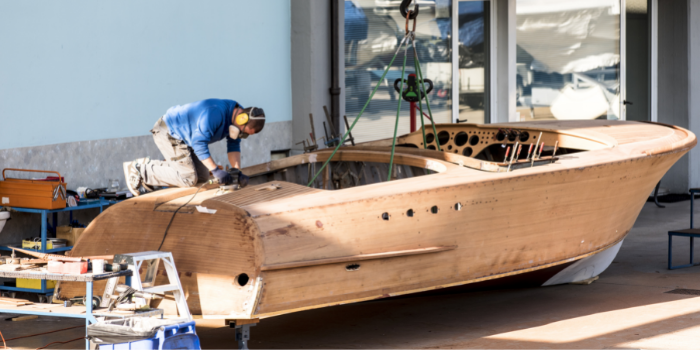
Beyond the Blueprint: Unveiling New Perspectives in Historical Boat Reproduction
Reproducing or restoring a historical boat is a journey into the past, a testament to craftsmanship and maritime history. But simply following old plans isn't always enough. This article delves beyond the traditional approach, exploring less-discussed aspects of historical boat building using wooden boat plans, offering fresh perspectives for hobbyists, builders, and educators alike.
The Unspoken Language of Wood: Beyond the Dimensions
Most boat plans provide meticulous measurements, but what about the feel of the wood? The subtle nuances of grain, the inherent strength variations within a single species â€" these are often overlooked.
Q: How can we better incorporate the “personality†of the wood into the building process?
A: Instead of rigidly adhering to dimensions, consider a more flexible approach. Imagine a master craftsman selecting each plank based not only on its size but also its grain pattern and inherent strength. Modern imaging techniques, such as 3D scanning, could be employed to analyze timber properties before cutting. This allows for adjustments to the design, maximizing the material’s potential and minimizing waste. This is not simply about aesthetics; it is about building a stronger, more resilient vessel optimized for the properties of your specific timber.
The Ghost in the Machine: Reconciling Modern Materials with Historical Accuracy
Using historically accurate materials isn’t always feasible. Certain woods are extinct, others prohibitively expensive. How do we balance authenticity with practicality?
Q: Can we ethically substitute materials without compromising structural integrity or historical value?
A: The answer isn’t simply "yes" or "no". Careful research into the properties of historical woods (e.g., using data from dendrochronology studies and historical shipbuilding records) allows for informed substitution. For instance, if white oak was used historically, a modern analysis might show a suitable alternative with comparable density and strength properties. Transparency is key: meticulous documentation of the substitution and its rationale are crucial for maintaining the project’s scholarly integrity. This could include comparative strength testing and reports openly shared as part of the project documentation.
The Human Element: Lessons from Lost Skills
Many traditional boatbuilding techniques are fading into obscurity. How do we ensure these vital skills are preserved?
Q: How can we bridge the gap between historical methods and contemporary practice?
A: We need a multifaceted approach:
- Interactive workshops and apprenticeships: Connecting experienced craftspeople with aspiring builders.
- Digital documentation: Creating high-quality video and 3D modelling records of traditional techniques.
- Open-source plan repositories: Making meticulously researched and documented plans freely available online, fostering collaboration and learning.
- Integration into educational curricula: Incorporating boatbuilding as a hands-on element in STEM programs.
A Real-World Example: The Case of the "Mary Rose"
The restoration of the Tudor warship, the Mary Rose, presented numerous challenges. The extensive decay of the timbers required innovative solutions, including the use of modern consolidants and the development of new techniques for preserving the remaining structure. The project stands as a testament to the challenges and successes of balancing historical accuracy with modern conservation methods. The lessons learned from the Mary Rose project provide valuable insights for all historical boat restoration endeavors.
By embracing these new perspectives, we move beyond simply replicating historical boats to actively engaging with their rich history and the skills that brought them to life. It is a process of learning, adapting and innovating â€" ensuring that these magnificent vessels continue to inspire and inform generations to come.
Note: Only a member of this blog may post a comment.