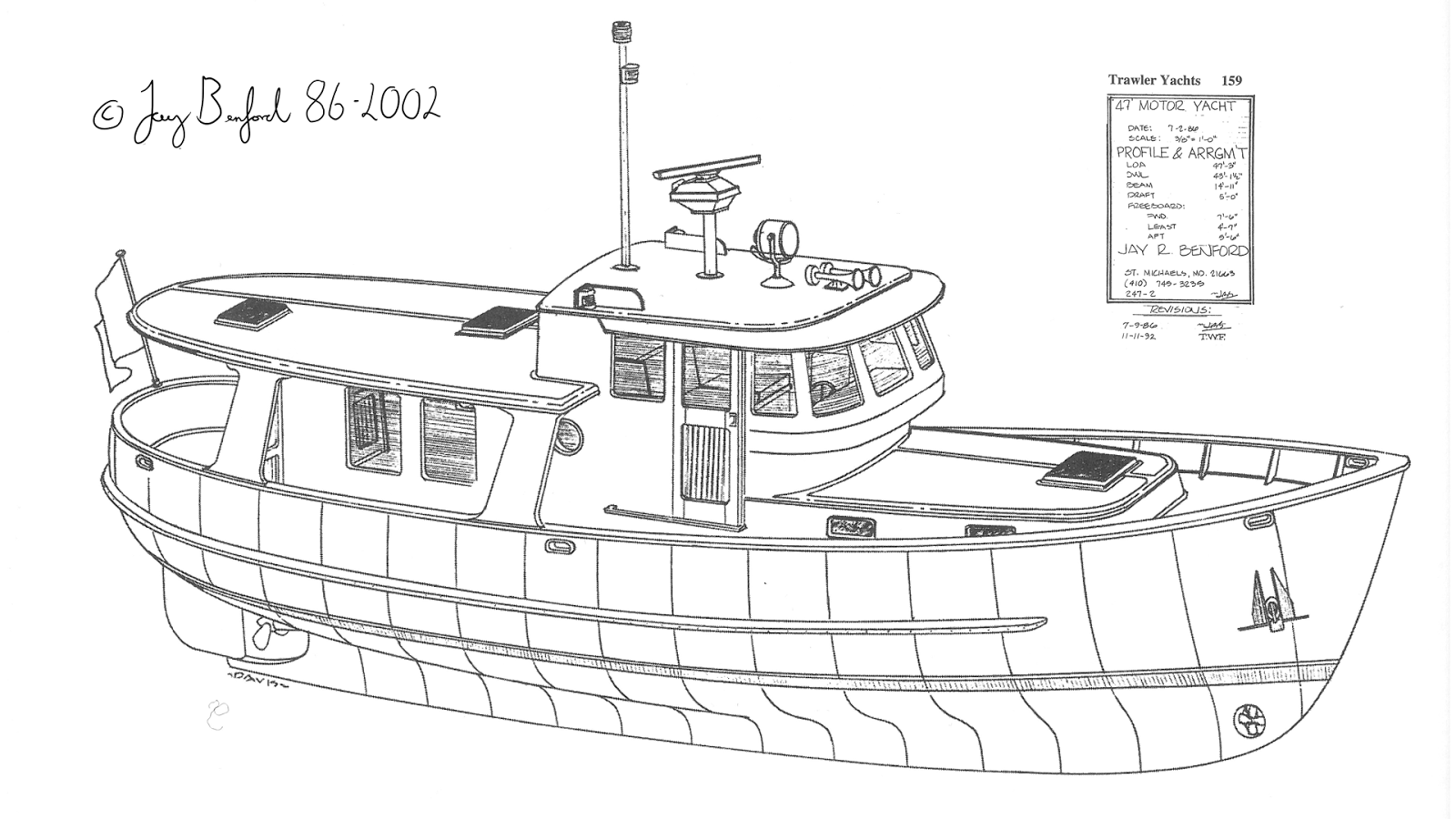
Beyond the Blueprint: Rethinking Fishing Boat Construction for Speed and Efficiency
Building a fishing boat is a significant undertaking, demanding skill, time, and resources. While countless plans exist, many focus solely on the end product, neglecting the crucial process of efficient construction. This article shifts the focus, exploring unconventional strategies and rarely discussed perspectives to accelerate the build while maintaining quality. We'll address common challenges and propose innovative solutions, drawing on modern materials and techniques.
The "Why" Before the "How": Reframing the Design Process
Before diving into any plans, the most crucial question is: Why are you building this boat?
What are your specific needs and how do they impact design?
A simple, utilitarian skiff demands a different approach than a complex, multi-purpose vessel. Defining your needs â€" fishing style, target species, water conditions, budget, and skill level â€" directly influences plan selection and construction methods. Ignoring this initial step often leads to inefficient design choices and wasted effort. For instance, an angler focusing on inshore fishing might find a simple plywood design quicker and more cost-effective than a complex fiberglass build.
How can modularity accelerate the build?
Modern manufacturing embraces modularity. Can this concept be applied to boatbuilding? Absolutely! Consider pre-fabricating sections offsite (transom, hull sections, deck components) before assembly. This allows for parallel workstreams, reducing overall construction time. For example, while one team works on the hull, another can focus on the interior fit-out. This requires careful planning, but the time savings are substantial. Think of it as building with LEGOs â€" larger, pre-assembled components that click together.
Material Matters: Exploring Beyond Traditional Choices
The choice of material significantly impacts construction speed and efficiency. Let's move beyond the usual suspects.
Can modern composites revolutionize boatbuilding?
While fiberglass remains popular, newer composite materials like carbon fiber reinforced polymers (CFRP) offer superior strength-to-weight ratios. Although initially more expensive, the speed of construction â€" thanks to lighter components and faster curing times â€" may offset the higher material costs, particularly for smaller vessels. Research suggests that CFRP's ease of shaping and lighter weight can reduce build time significantly (though specialized skills are required).
Beyond Wood and Fiberglass: The Untapped Potential of Aluminum
Aluminum offers remarkable advantages for speed and efficiency. It's readily available in pre-fabricated sheets, allowing for faster assembly compared to traditional methods. While welding skills are required, the reduction in shaping and finishing time compensates. This is particularly true for simpler designs where complex curves are less critical.
Tools and Techniques: Smart Solutions for Faster Construction
The right tools are vital for efficiency. Let's examine some often-overlooked options.
How can CNC routing transform boatbuilding?
Computer Numerical Control (CNC) routers can accurately cut complex shapes from wood or composite materials, significantly reducing manual labor and improving precision. While the initial investment is substantial, the time saved on intricate cuts â€" particularly for larger boats â€" can justify the expense, especially for boat builders working on multiple projects.
The Power of 3D Printing: Prototyping and Beyond
3D printing is moving beyond prototyping. While not suitable for the entire hull, it can create customized fittings, non-structural components, and even complex mold forms, accelerating construction and improving design iterations. This technology allows for customization and rapid production of smaller parts that would traditionally be time-consuming to create.
Real-World Example: The "QuickBuild" Skiff
Imagine a scenario: A group of students at a maritime academy undertakes a project to design and build a small fishing skiff within a limited timeframe. Utilizing modular design (pre-fabricated sections), aluminum construction, and CNC routing for key components, they manage to complete the build in a fraction of the time traditionally required. This isn't hypothetical; such projects are increasingly common, showcasing the potential for faster, more efficient boatbuilding techniques.
By adopting these strategies and embracing new perspectives, we can revolutionize the fishing boat construction process, creating faster, more efficient, and more sustainable practices. The future of boatbuilding lies not just in the final product but in optimizing the entire process from conception to completion.
Note: Only a member of this blog may post a comment.